18 November 2026
How Liposuction Farmington Hills Differs From Weight Loss Procedures
Presented by @riverhsrv328
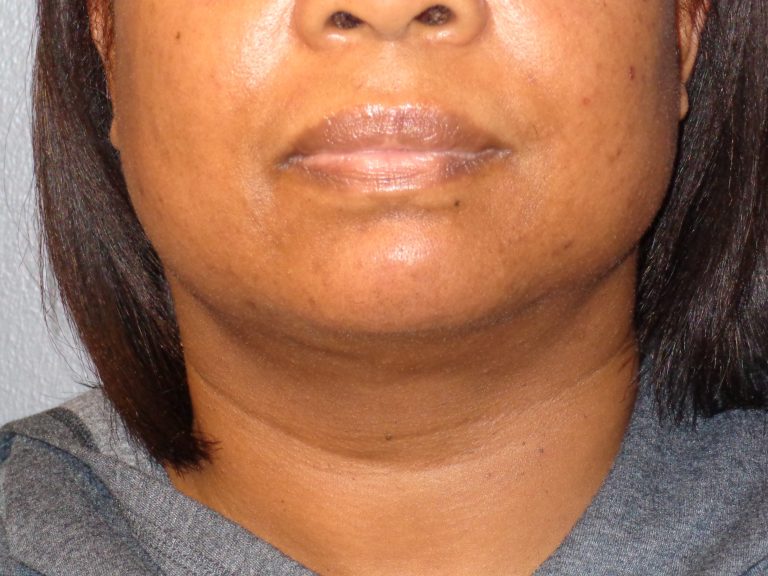
People often use the words "fat removal" and "weight loss" as if they mean the same thing. In a consultation room, that confusion shows up quickly. Someone may come in frustrated that diet and exercise have not changed the shape of their abdomen, hips, or upper arms, and they assume liposuction is simply the next step after a stalled scale. Another person may be considering medical weight loss or bariatric surgery but has heard that liposuction offers a faster fix. These are not small misunderstandings. They affect expectations, safety, recovery, and long-term satisfaction.
The simplest way to frame it is this: liposuction is a body contouring procedure, not a weight loss treatment. It changes proportion more than it changes body weight. Weight loss procedures aim to reduce total body mass, improve metabolic health, and often address obesity-related risks. Liposuction can do beautiful work in the right patient, but it is designed to refine shape, not solve the broader physiology of weight gain.
That distinction matters for anyone researching Liposuction Farmington Hills options, especially because cosmetic surgery and medical weight loss are increasingly discussed side by side. They can complement each other, but they are not interchangeable.
What liposuction is actually designed to do
Liposuction removes localized deposits of subcutaneous fat, the layer that sits beneath the skin and above the muscle. It is most effective in areas where fat remains out of proportion to the rest of the body even after consistent lifestyle effort. The classic examples are the lower abdomen, flanks, outer thighs, inner thighs, under the chin, and sometimes the upper back or bra line.
A good candidate is often already close to a stable, sustainable weight. They may wear the same clothing size for years, exercise regularly, and still feel that one or two areas do not respond. In those cases, liposuction can sharpen the waist, flatten a lower abdominal pouch, reduce fullness along the jawline, or improve how clothing drapes. The payoff is usually seen in silhouette and balance, not in a dramatic drop on the scale.
That difference surprises many people. Removing a meaningful amount of fat from one or several areas still may not translate into a large weight change. A person might feel and look considerably different in fitted clothes while the number on the scale barely moves. That is not a failure of the procedure. It is a sign that body contouring and body weight are related, but not identical.
What weight loss procedures are meant to accomplish
Weight loss procedures, whether surgical or non-surgical, target a much broader problem. Their purpose is to reduce overall body mass and, in many cases, improve health markers tied to excess weight. That can include blood sugar control, sleep apnea symptoms, blood pressure, joint strain, and mobility.
Medical weight loss may involve physician-guided nutrition, behavior change, exercise planning, medications, and close monitoring. Bariatric procedures such as gastric sleeve or gastric bypass work through changes in stomach size, digestion, hunger signaling, and calorie intake. Their success is usually measured not by whether the outer thighs look slimmer but by total pounds lost, percentage of excess weight reduction, lab improvements, and disease risk reduction over time.
This is why someone with a high body mass index who carries weight diffusely through the abdomen, back, arms, and legs is usually not best served by liposuction alone. Even if fat could technically be removed, the result would not address the underlying pattern of weight gain or the medical issues that often accompany it. The person would endure surgery without getting the kind of global change they actually want.
The difference you can see in the consultation room
There is a pattern that experienced surgeons and medical weight loss providers recognize almost immediately. Patients considering liposuction tend to point to specific zones. They say things like, "I like my weight overall, but this lower belly has not budged since my second pregnancy," or "My face is lean, my legs are strong, but these love handles make every pair of pants fit strangely." Their concern is targeted.
Patients who truly need a weight loss procedure tend to describe a larger struggle. They speak about fatigue, steady weight gain over several years, failed attempts to keep weight off, knee pain, elevated blood sugar, or difficulty finding exercise that feels sustainable. Their complaint is less about one stubborn pocket and more about living in a body that feels harder to manage.
That difference in language matters because it points to different treatment goals. Body contouring is about refinement. Weight loss treatment is about overall change.
Why liposuction is not a substitute for losing weight first
One of the most important practical points is timing. Liposuction generally works best after a person has done most of the weight loss they realistically expect to maintain. If someone plans to lose another 30, 40, or 60 pounds, contouring too early can lead to disappointment. The body continues to change with future weight loss, and skin may loosen in ways that alter the final appearance.
Stable weight gives the surgeon a much clearer target. It allows for better planning, more predictable symmetry, and a result that matches the patient's actual long-term shape rather than a temporary in-between phase. In most cases, surgeons prefer that weight be fairly stable for several months before elective liposuction.
There is also a safety component. Larger-volume liposuction is not the same as comprehensive weight reduction. There are limits to how much fat can be removed safely in a single session, and those limits exist for good reason. Fluid shifts, blood loss, anesthesia time, and postoperative stress on the body all matter. Responsible surgeons do not treat liposuction like a shortcut around the work of weight management.
The kind of fat liposuction can reach, and the kind it cannot
A frequent source of confusion is the difference between subcutaneous fat and visceral fat. Liposuction treats subcutaneous fat. Visceral fat is deeper. It surrounds internal organs inside the abdominal cavity and is more closely linked with metabolic disease.
Someone may have a firm, rounded abdomen driven in part by visceral fat, bloating, posture, or muscle separation after pregnancy. Liposuction cannot meaningfully address those deeper causes. In fact, patients with a very taut, distended belly sometimes assume they are perfect candidates, when their anatomy suggests the opposite. Removing superficial fat in that setting often will not create the flatter result they imagine.
This is where a careful in-person evaluation matters. An experienced surgeon examines skin quality, pinch thickness, muscle tone, previous scars, and fat distribution before saying yes. Good consultations are often as much about ruling things out as recommending them.
Skin quality changes everything
The public often focuses on fat alone, but skin is just as important to the final result. Liposuction removes volume. It does not create firm skin where little elasticity remains. If the skin has stretched significantly from weight fluctuations, pregnancy, or age, simply taking away fat may reveal laxity rather than improve the contour.
A younger patient with dense, elastic skin and a modest amount of lower abdominal fat may see a smooth, clean result from liposuction. A patient with loose skin, stretch marks, and muscle separation might need a tummy tuck for the result they actually want. These are not interchangeable procedures either. One removes fat through small incisions. The other removes excess skin and often repairs the abdominal wall.
That is why two people with the same clothing size can need very different plans. The issue is not just how much fat is present. It is how the tissue will redrape afterward.
Weight loss procedures change health, liposuction changes contour
This may be the most important distinction of all. A successful weight loss intervention can improve cholesterol, reduce insulin resistance, lower blood pressure, ease reflux, improve sleep quality, and reduce strain on joints. Liposuction is not intended to treat those conditions.
Patients occasionally assume that removing a few liters of fat should create the same metabolic benefits as losing the same amount through diet or bariatric treatment. That is not how the body works. The physiologic effect is different. Liposuction alters external fat distribution. It does not retrain appetite regulation, digestive behavior, food tolerance, insulin dynamics, or long-term energy balance in the way weight loss treatment can.
That does not make liposuction superficial or trivial. It simply means its value lies elsewhere. For the right patient, improved body proportion can boost comfort, confidence, and satisfaction with clothes and exercise. Those outcomes are real and worthwhile. They are just not the same as medical weight reduction.
Recovery is different too
Another point patients often underestimate is the difference in recovery and follow-through. Liposuction recovery is usually front-loaded. There is swelling, soreness, compression garments, temporary activity limits, and a gradual settling of contour over weeks to months. The patient must tolerate bruising, uneven early swelling, and the patience required for final definition to emerge.
Weight loss procedures unfold differently. Bariatric surgery has its own recovery curve, but the more significant process is long-term adaptation. Eating habits change. Nutritional monitoring becomes important. Patients may have to prioritize protein, hydration, supplementation, and regular follow-up for years. Medical weight loss programs also depend on consistency over time rather than a single event.
So while people often think of liposuction as "surgery" and weight loss treatment as "non-surgical" or "lifestyle-based," both require commitment. The commitment is simply shaped differently. One asks for healing and contour maintenance. The other asks for long-term behavior and metabolic management.
The scale can be misleading after liposuction
A small but common emotional hurdle shows up after surgery. Patients expect immediate visual tightening and meaningful scale loss. Instead, the first week may bring swelling, fluid retention, and only subtle visible change. Clothes can even feel temporarily tighter.
That period passes, but it highlights why liposuction should never be chosen by scale-focused patients alone. If someone measures success only in pounds, they may miss the real improvement until swelling resolves and the shape reveals itself. I have heard patients say their body looked dramatically better at three months even though their weight differed by only a few pounds from where they started. For a contouring procedure, that can be an excellent outcome.
When weight loss should come first
There are several situations in which body contouring should wait until after weight reduction. The most obvious is when a patient is still actively losing a significant amount of weight or hopes to do so soon. Another is when obesity-related health conditions make overall weight management a more urgent medical priority than cosmetic reshaping.
A third situation is emotional as much as physical. Some people are looking to liposuction to solve a feeling of being uncomfortable in their body at large, not in one specific area. If dissatisfaction is broad and ongoing, contouring a few regions rarely fixes it. They are better served by an honest discussion about whether their real goal is health improvement, total body size change, or body image support rather than surgery alone.
When liposuction makes excellent sense
On the other hand, liposuction can be a very strong choice when the problem is truly focal. The best candidates are often remarkably disciplined people. They already eat well. They already train. They are not avoiding weight loss work. They have done the work, and a few resistant areas remain.
These are the kinds of scenarios where the difference is most obvious:
- A woman at a stable weight after childbirth has a persistent flank and lower abdominal fullness that makes tailored clothing fit unevenly.
- A man who exercises regularly has chest or waistline fat that does not improve despite years of consistent training and stable body weight.
- A patient has reached a healthy goal weight through medical management but still has disproportionate outer thigh or upper arm fullness.
- Someone with a hereditary double chin wants a more defined jawline even though their overall body weight is normal.
- A patient seeking Liposuction Farmington Hills treatment wants refinement, not reinvention, and understands the limits of what surgery can do.
In these cases, the procedure is aligned with the anatomy and the expectation. That is where satisfaction tends to be highest.
Can the two approaches work together?
Yes, and often they do. Some patients complete a structured weight loss program first, maintain the new weight, then pursue liposuction to fine-tune remaining problem areas. Others undergo bariatric surgery, lose a substantial amount of weight, and later seek body contouring procedures to address residual fat pockets, skin laxity, or shape imbalance.
The order matters. Total body weight and health should be addressed first when that is the larger issue. Once the body reaches a relatively steady state, contouring can enhance the result. Trying to reverse that order often leads to frustration, extra cost, and less predictable aesthetics.
There is a practical example many clinics see. A patient loses 50 pounds, feels proud of the achievement, but still dislikes fullness along the lower abdomen and outer hips. At that point, liposuction can be a finishing procedure, helping the new weight look more proportional. It is not replacing the weight loss. It is building on it.
The importance of a surgeon who says no when needed
One of the strongest signs of a reputable cosmetic practice is restraint. Ethical surgeons do not automatically book surgery because a patient asks for it. They explain why a desired result may require a different procedure, more weight stability, better medical optimization, or even no surgery at all.
This matters in every market, including when patients are specifically searching for Liposuction Farmington Hills providers. Marketing can make almost any treatment sound broad and transformative. Real surgical judgment is narrower. It takes anatomy, goals, skin quality, and health into account.
A strong consultation usually covers these points:
- Whether the concern is localized fat, generalized weight, loose skin, or a combination.
- Whether the patient's weight is stable enough to make contouring worthwhile.
- Whether the expected improvement is realistic for their tissue quality.
- Whether another option, such as medical weight loss or skin excision, would better match the goal.
- Whether the patient understands recovery, swelling, scars, and the timeline for final results.
A thoughtful "not yet" can be more valuable than an easy yes.
Cost, value, and the wrong way to compare them
Patients also compare liposuction and weight loss procedures in purely financial terms, but the value equation is different. Liposuction Farmington HIlls Liposuction is typically a cosmetic expense. Insurance generally does not cover it. Medical weight loss may involve ongoing program costs, and bariatric surgery may or may not be covered depending on plan requirements and medical necessity.
That makes direct price comparisons misleading. A lower sticker price does not make one option better if it does not solve the right problem. A patient who needs broad weight reduction will not save money by choosing a contouring procedure that leaves them dissatisfied. Likewise, a patient at a healthy stable weight with one stubborn area may spend months on weight loss interventions that do little for the issue they actually want corrected.
The better question is not, "Which is cheaper?" It is, "Which matches the anatomy and goal I have right now?"
Expectations that lead to satisfaction
The happiest liposuction patients tend to share a few qualities. They understand that surgery can improve shape without creating perfection. They know swelling takes time to settle. They recognize that future weight gain can still affect results. Most importantly, they view the procedure as targeted refinement rather than total transformation.
The happiest weight loss patients have a different mindset. They are prepared for long-term change, follow-up, and the reality that better health comes through sustained effort, not a single event. When someone chooses the right path for the right reason, satisfaction is usually much higher.
That is the real dividing line between liposuction and weight loss procedures. One is a sculpting tool. The other is a body mass and health intervention. They intersect, but they are not the same.
For anyone considering Liposuction Farmington Hills treatment, the most useful first step is not asking how much fat can be removed. It is asking what kind of problem you are truly trying to solve. If the answer is a specific contour that has resisted otherwise healthy habits, liposuction may be an excellent fit. If the answer is overall weight reduction, metabolic improvement, or broad body size change, a weight loss procedure is the more appropriate starting point. Matching the treatment to the goal is what produces results that look good, feel right, and last.
Aesthetic Plastic Surgery & Laser Center, Michelle Hardaway M.D.
27920 Orchard Lake Rd
Farmington Hills, MI 48334
(248) 221-1957
FAQ About Liposuction Farmington Hills
What disqualifies you from getting liposuction in Farmington Hills?
A surgeon may recommend postponing or avoiding liposuction if a health condition, medication, or nicotine use raises the risk of surgery or poor healing. A consultation is needed to assess your medical history and whether the procedure fits your goals.
Can liposuction remove 20 pounds?
Liposuction is a body contouring procedure for localized fat. It is not a weight loss treatment, and a specific number of pounds is not a safe or useful target. The surgeon determines how much can be removed safely for each patient.
What are the risks of liposuction?
Risks include infection, changes in sensation, uneven contours, and complications from anesthesia or blood clots. A plastic surgeon can explain which risks apply to you and what to expect during recovery.