21 October 2026
Liposuction Michigan and Personalized Treatment Plans
Presented by @riverhsrv328

When people search for Liposuction Michigan, they are often looking for more than a procedure. They are looking for a way to address a specific frustration that has not responded to diet, exercise, or time. For one person, that may mean fullness under the chin that lingers despite meaningful weight loss. For another, it is a lower abdomen that changed after pregnancy, or flanks that seem out of proportion to the rest of the body. The common thread is not vanity in the shallow sense people sometimes assume. It is usually proportion, comfort, and the desire to feel at home in one’s own shape.
That is where personalized treatment planning matters. Liposuction is not a one-size-fits-all service, and it should never be presented that way. The same amount of fat removal, performed in the same area, can look balanced and elegant on one patient and overdone on another. Good planning accounts for anatomy, skin quality, age, medical history, goals, recovery tolerance, and the patient’s real life. It also accounts for judgment, which is the quiet difference between a standard cosmetic procedure and a carefully tailored one.
Why personalization matters more than patients expect
A lot of people come into consultation thinking in simple terms. They want the “problem area” gone. The body does not work in isolated boxes that neatly correspond to dissatisfaction. Contour is relational. The abdomen connects visually to the waist, the waist to the flanks, the flanks to the lower back, and all of it changes depending on posture, muscle tone, and skin elasticity.
A patient may point to the front of the abdomen as the issue, yet the feature creating the heavy appearance may actually be fullness through the waist and flanks. Another may focus on outer thighs, when the better correction is subtle shaping across both the outer and inner thigh to improve the line of the leg. Personalized planning means seeing the body as a three-dimensional form rather than marking a single spot and removing volume.
There is also the issue of restraint. Some patients are excellent candidates for noticeable fat reduction, but not for aggressive suctioning. If the skin is thin, if there is laxity, or if the area already has contour irregularities, a lighter hand may produce a better long-term result. Experienced surgeons know that the best outcome is not always the maximum amount removed. Often it is the amount that preserves smoothness and supports natural transitions.
What a customized liposuction consultation should actually cover
A strong consultation feels specific, not generic. It should move beyond “where do you want less fat?” and into a more practical conversation about shape, expectations, and limitations. Patients often remember the visual part of the appointment, standing in front of the mirror and discussing target areas, but the most important details are usually less dramatic.
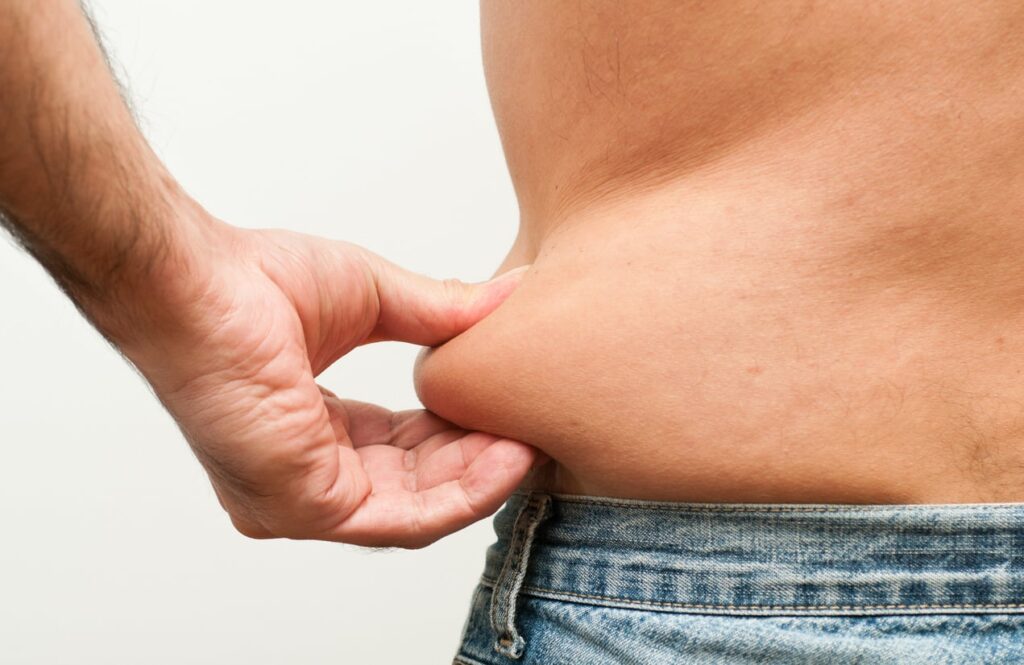
The surgeon should evaluate the pinch thickness of localized fat, the tone and recoil of the skin, the presence of scar tissue, asymmetry, prior surgeries, and the degree to which weight has been stable. Stable weight matters because liposuction is a contouring procedure, not a substitute for ongoing weight loss. If someone’s weight is fluctuating significantly, the surgical plan may look appropriate on paper and still fail to deliver a durable result.
Medical details matter too. A history of clotting problems, smoking or nicotine use, poorly controlled diabetes, or major cardiovascular issues can affect candidacy or timing. Hormonal changes, recent pregnancy, and previous body procedures can also change both the plan and the likely outcome. For patients in Michigan, there can be a seasonal layer to scheduling as well. Some prefer surgery during cooler months, when compression garments are easier to tolerate under everyday clothing and postoperative swelling feels less burdensome.
A useful consultation also includes discussion about what liposuction cannot fix. It does not tighten separated abdominal muscles. It does not correct significant loose skin. It does not address cellulite in a reliable or universal way. It does not produce a dramatic weight-loss transformation. When these boundaries are explained clearly, patients tend to make better decisions and feel more satisfied afterward.
The role of anatomy in treatment planning
No two abdomens are the same, and that is not just a matter of size. Some patients carry most of their fullness above the belly button, some below, and some through the entire circumference of the torso. Some have dense, fibrous fat that requires more effort to contour smoothly, especially in areas like the upper back or male chest. Others have softer fat that responds more easily to suction but may reveal loose skin once the underlying volume is reduced.
The chin and neck offer another good example. A younger patient with good skin elasticity may see a sharp improvement in jawline definition after a relatively modest amount of liposuction. A patient with heavier neck tissues or reduced skin recoil may need a broader discussion about whether liposuction alone can achieve the desired contour. Personalized treatment means matching the technique to the tissue, not forcing every patient into the same procedural template.
Men and women often require different contour strategies as well. In women, the goal is frequently to preserve soft transitions while narrowing selected areas. In men, treatment may focus on a stronger waistline, reduction of chest fullness, or better definition along the torso without creating an artificially sculpted look. It is not simply about removing fat. It is about preserving or improving body character.
Common areas treated, and why combinations often work better
Patients rarely benefit from thinking about liposuction as a single-area event. The visual effect of surgery often depends on how neighboring zones relate to each other. Treating the lower abdomen alone, for example, can help, but if the flanks remain full, the midsection may still read as blocky. Similarly, reducing only the outer thighs may not create the balanced leg contour a patient expects if the inner thighs still dominate the shape.
The areas most commonly discussed in consultation include the abdomen, flanks, waist, hips, thighs, upper arms, submental region under the chin, back, bra line, and in some cases the chest for men dealing with excess fatty fullness. The right combination depends on body structure, not on what appears most obvious in a photograph. A surgeon with a good eye will often recommend a plan that addresses the silhouette from multiple angles, because that is how other people see us and how we see ourselves in motion.
That does not always mean doing more. Sometimes a limited plan is the wiser choice, especially if a patient is prone to swelling, has a tight schedule for recovery, or is testing the waters with a smaller intervention before considering additional procedures later. Personalization includes respecting practical constraints.
Technique choices are part of the customization
Patients may hear terms like tumescent liposuction, power-assisted liposuction, ultrasound-assisted liposuction, or laser-assisted liposuction. Those words can sound highly technical, but from a patient’s perspective, the key issue is simpler: what approach is most appropriate for the area being treated and the tissue characteristics involved?
Tumescent technique is a widely used foundation, involving fluid infiltration to reduce bleeding and improve comfort. Power-assisted methods can help in denser or more fibrous areas by making fat removal more controlled and efficient. Energy-based approaches are sometimes discussed in relation to tissue contraction or specialized applications, but they are not automatically superior. The best technique is the one the surgeon uses skillfully, for the right patient, in the right setting.
What matters most is not trendy terminology. It is planning, execution, and the surgeon’s ability to adapt during the case. Bodies do not always behave exactly as expected once treatment begins. Tissue density, hidden asymmetry, or subtle contour differences can become more apparent intraoperatively. Good technique includes the ability to respond thoughtfully in the moment.
Michigan patients often have practical concerns that shape the plan
Geography does not change human anatomy, but it does influence how people prepare for cosmetic surgery and recover from it. In Michigan, patients often think carefully about timing around winter weather, work schedules, school calendars, and the realities of layered clothing. Those details sound minor until recovery begins.
Driving can be uncomfortable for a few days after abdominal or flank liposuction, particularly if the route is long or the roads are rough. Patients with physically demanding jobs may need more time away than expected, especially if lifting, twisting, or being on their feet all day is part of the routine. Compression garments are easier to hide under sweaters and coats, which is one reason many people prefer fall through early spring for surgery. On the other hand, holiday obligations and winter travel can complicate follow-up and recovery rest.
For that reason, the best Liposuction Michigan consultations do not stop at anatomy. They ask about the patient’s life. Who will help at home the first day or two? Is there flexibility to take time off? Is there an event on the calendar that creates an unrealistic deadline? Has the patient thought through swelling, bruising, and the slow pace at which final contour emerges? These questions are not secondary. They shape whether the experience feels manageable or unnecessarily difficult.
Setting goals that fit the body, not the fantasy
Many patients arrive with a reference image saved on their phone. That can be helpful as a starting point, but it can also create problems if the image is built on very different anatomy. Ribcage width, pelvic structure, fat distribution, muscle thickness, and skin quality all affect what is possible. A personalized plan begins by translating a visual preference into an achievable contour goal.
A better consultation often sounds like this: narrower waistline, smoother transition across the lower abdomen, less fullness under fitted clothing, improved proportion between upper and lower body, cleaner jawline, less rubbing at the inner thighs. Those are realistic, body-specific targets. They leave room for judgment.
One of the more delicate parts of surgical planning is telling a patient when liposuction is not the whole answer. A woman after multiple pregnancies may have both excess fat and significant skin laxity. A fit man may have abdominal fullness caused partly by internal visceral fat, which liposuction does not treat. Someone after major weight loss may have loose skin that requires excision rather than suction. Personalized care means recommending the right procedure, or sometimes recommending against surgery until the timing is better.
Who tends to be a good candidate
The best candidates are not necessarily the thinnest patients or the most determined ones. They are usually people who are already close to a stable, maintainable weight and have a distinct area of unwanted fat that has been resistant to lifestyle efforts. Good skin elasticity improves the odds of a smooth result, though age alone does not rule someone out. Overall health, realistic expectations, and willingness to follow recovery instructions matter at least as much as body size.
Here are a few traits that often support a good outcome:
- Weight has been stable for several months, ideally longer.
- The concern is localized fat rather than generalized obesity.
- Skin has at least moderate elasticity in the treatment area.
- The patient understands that contour change is gradual, not overnight.
- There is a practical plan for downtime, compression, and follow-up.
Even within that group, nuance matters. A patient in their early fifties with excellent skin quality and disciplined expectations may be a stronger candidate than a patient in their thirties who wants a dramatic transformation from a modest procedure. Age can influence healing, but mindset and tissue quality are often more predictive.
Recovery is where personalized planning proves its value
Most patients focus heavily on surgery day, then realize later that recovery determines much of their overall experience. Liposuction recovery is usually more manageable than many people fear, but it is still a real recovery. Swelling, bruising, firmness, drainage in the early phase, temporary numbness, and soreness are common. Compression garments are helpful, though not always glamorous or comfortable.
What catches some patients off guard is the timeline. Initial improvement appears early, but the final contour takes longer. In many cases, meaningful refinement continues over several weeks and sometimes a few months, depending on the area treated, how much was removed, and the patient’s healing pattern. The body needs time to settle.
Personalization matters here too. A patient who works from home may be back to computer tasks quickly. A nurse, warehouse worker, hairstylist, or anyone with a physically active job may need more caution. Someone having small-volume chin liposuction will usually have a different recovery experience than someone treating circumferential trunk areas. The right preoperative plan prepares patients for the recovery they are actually likely to have, not a generic version pulled from a brochure.
In my experience, the happiest patients are not the ones who expect no downtime. They are the ones who have arranged their lives well. They have easy meals ready, help with children or pets if needed, a realistic time off plan, and clothing that accommodates compression. Practical preparation lowers stress, and lower stress makes recovery feel smoother.
Combining liposuction with other procedures
Personalized plans sometimes include more than liposuction. This can be appropriate when the contour concern involves several tissue layers. For example, abdominal liposuction may improve michellehardawaymd.com Liposuction Michigan fullness, but if loose skin is substantial, a tummy tuck may address the issue more directly. Neck liposuction may be paired with skin tightening procedures in select cases. Breast or body surgeries are also sometimes coordinated, though combination surgery should be weighed carefully against operative time, safety, and recovery burden.
This is one area where judgment matters a great deal. Combining procedures can be efficient and satisfying for the right patient, but more is not always better. Longer surgeries can mean more swelling, more downtime, and a tougher early recovery. A patient with a demanding family or work schedule may do better with staged treatment rather than trying to handle everything at once.
Cost discussions should be honest and individualized
Cost is part of the decision, and patients deserve straightforward conversations about it. Liposuction pricing varies significantly based on the number of areas treated, the complexity of the case, the surgical setting, anesthesia needs, and regional practice patterns. That is why generic online numbers are often misleading. A smaller, focused treatment under local anesthesia may look very different from a multi-area contouring case in an accredited operating facility.
The more useful conversation is about value and fit. A lower fee does not help if the plan is poorly designed or the follow-up is thin. On the other hand, the most expensive quote is not automatically the best. Patients should understand what is included, what recovery support looks like, and how revision concerns are handled if contour irregularities or asymmetry become an issue. Transparency tends to be a good sign.
Questions worth asking during consultation
A productive consultation goes both ways. The surgeon evaluates the patient, but the patient should also evaluate the surgeon’s approach and communication. If the answers feel vague, rushed, or overly sales-driven, that matters.
A few useful questions can clarify a lot:
- What result is realistically achievable for my body shape and skin quality?
- Would you treat one area or combine neighboring areas for better balance?
- What part of my goal may not be improved by liposuction alone?
- What should I expect in the first two weeks of recovery?
- If I were your family member, what cautions would you emphasize?
Those questions invite honest judgment. They also make it easier to distinguish a personalized plan from a prepackaged one.
The value of restraint and experience
One of the least appreciated skills in body contouring is knowing when to stop. Over-resection can create hollows, ridges, and unnatural transitions that are difficult to correct. Under-resection can leave the patient disappointed. The middle ground is not guessed. It is earned through experience, careful examination, and respect for anatomy.
That is particularly important in areas where small differences show clearly, such as the chin, inner thighs, or upper arms. It also matters in patients who have had prior procedures, where scar tissue can distort tissue planes and make contouring less predictable. Personalized planning includes a candid discussion about elevated revision risk in these cases.
Patients often assume that the artistry happens only in the operating room. In truth, much of it happens before surgery starts, while deciding how much to treat, where to feather the edges, where to preserve fullness, and when another procedure would serve the goal better. The plan is the foundation.
Choosing a path that fits your life
The strongest results in Liposuction Michigan come from alignment. The anatomy, the surgical plan, the patient’s expectations, and the recovery logistics all need to fit together. When they do, liposuction can be a very effective way to refine shape and improve proportion. When they do not, even technically competent surgery can feel disappointing.
A personalized treatment plan is not a luxury add-on. It is the central work of good cosmetic surgery. It protects patients from oversimplified promises, helps them understand trade-offs, and increases the chance that the final result feels natural on their body rather than borrowed from someone else’s. That is what most people are really after, not a dramatic reinvention, but a contour that makes sense for them, their structure, and the life they actually live.
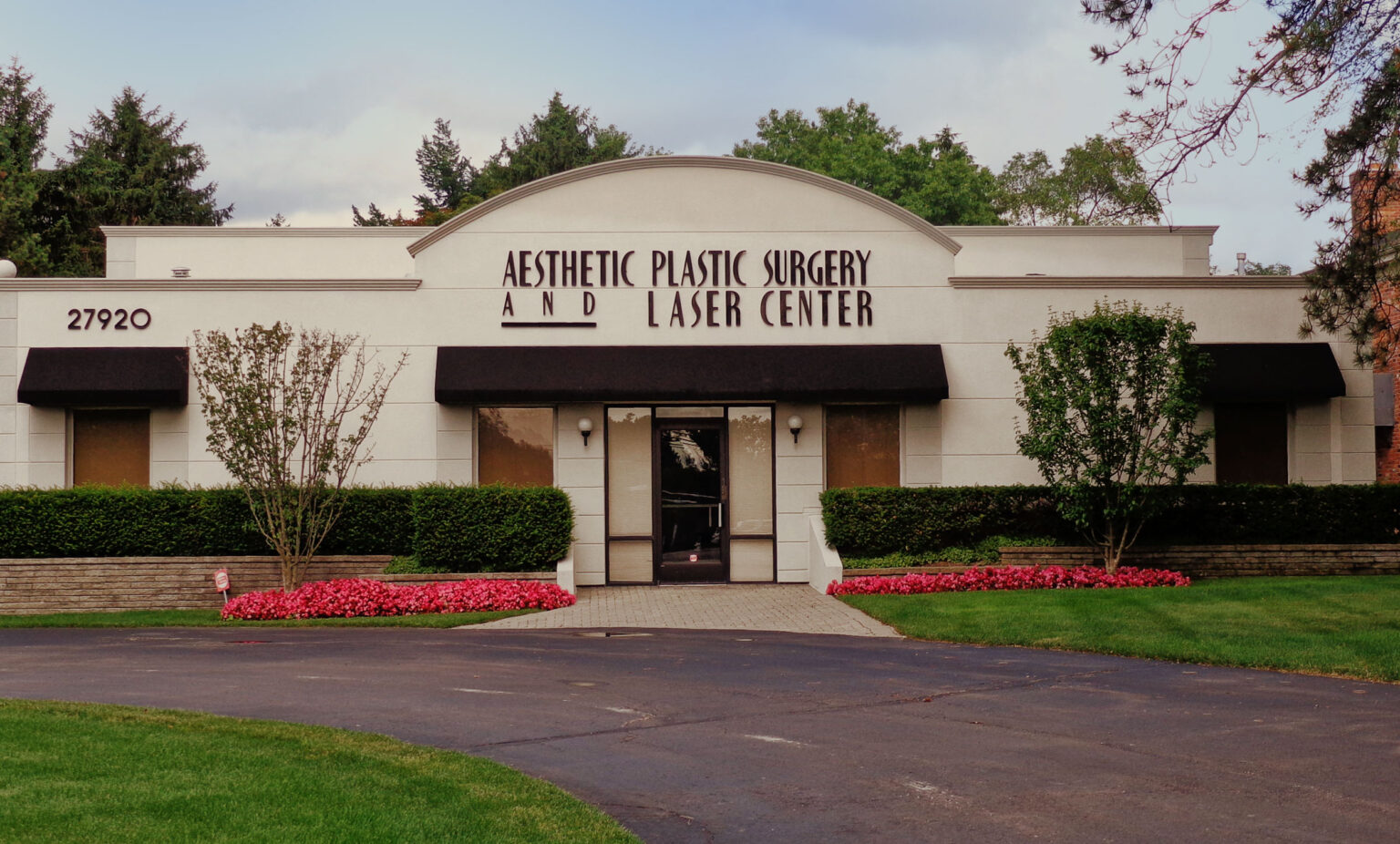
Aesthetic Plastic Surgery & Laser Center, Michelle Hardaway M.D.
27920 Orchard Lake Rd, Farmington Hills, MI 48334, United States
+1 248-221-1957
FAQ About Liposuction Michigan
Is 55 too old for liposuction?
Age 55 alone does not determine suitability. A surgeon evaluates overall health, skin quality, healing risks, and realistic goals. A personal consultation is needed to assess candidacy and discuss alternatives.
What happens 10 years after liposuction?
Contour improvements can last, especially with stable weight. Aging, pregnancy, and weight changes can alter the appearance over time. Results vary, and liposuction does not prevent future body changes.
Can lipo get rid of an apron belly?
Liposuction reduces localized fat but does not remove hanging excess skin. An apron belly may require assessment for a skin-removal procedure instead of, or alongside, fat removal. A qualified plastic surgeon can explain appropriate options and their risks.