18 November 2026
Why Consultation Quality Matters for Liposuction Farmington Hills
Presented by @riverhsrv328
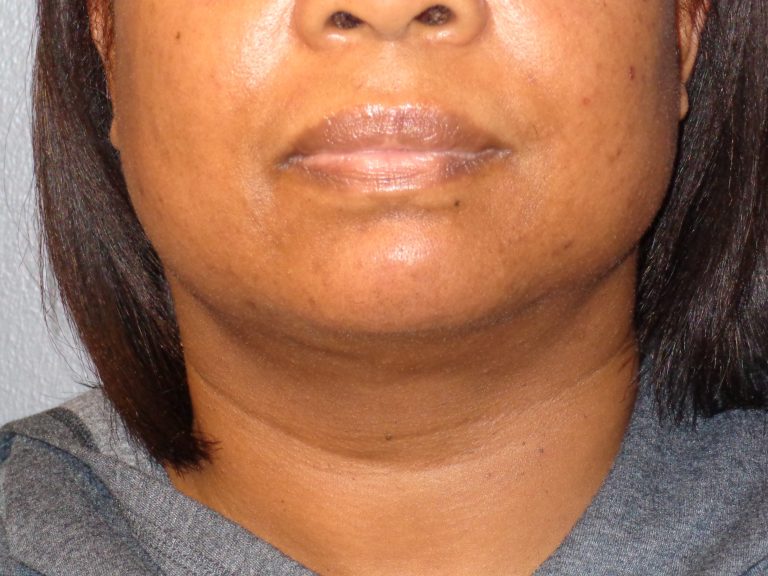
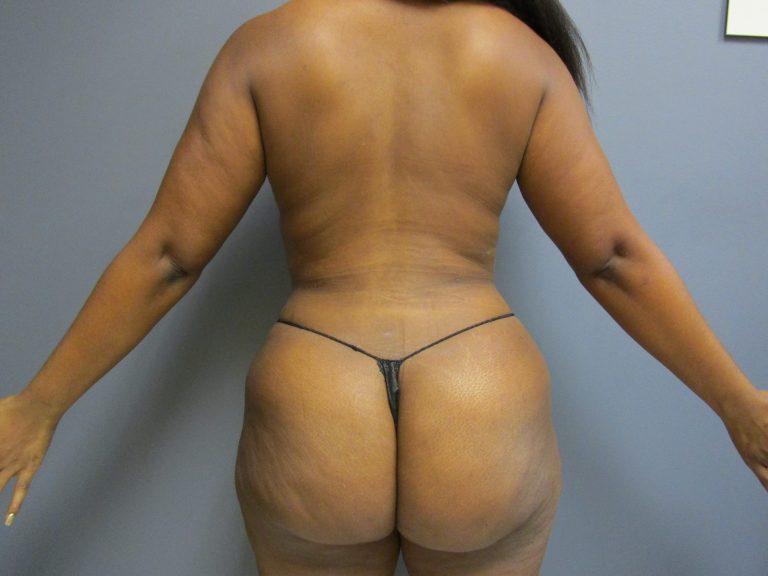
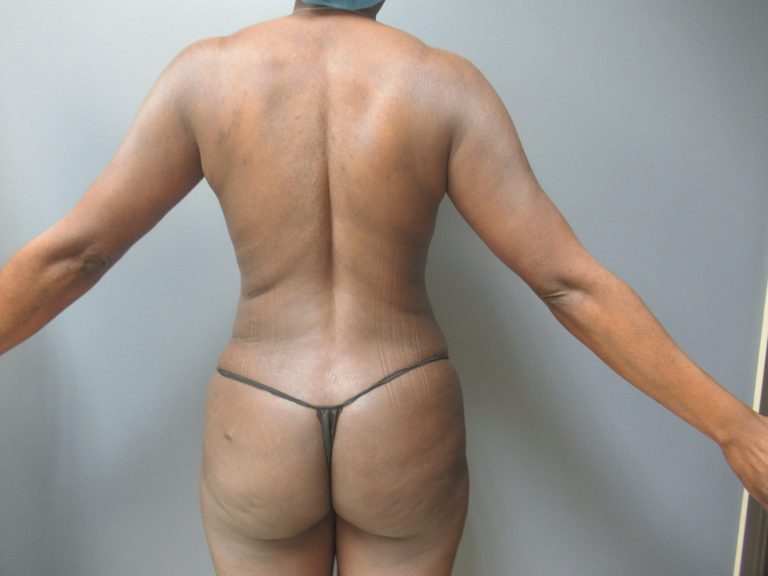
People often focus on the visible part of cosmetic surgery, the before-and-after photos, the operating room, the recovery garments, the final contour months later. Yet the quality of the consultation is where many of the most important outcomes are set in motion. For anyone considering Liposuction Farmington Hills, the consultation is not a formality or a sales appointment. It is the stage where safety, candidacy, expectations, surgical planning, and trust either come together or start to fray.
That matters because liposuction can deliver excellent body contouring results in the right patient, with the right technique, for the right goals. It can also disappoint when someone walks in expecting weight loss, skin tightening, or a total body transformation that the procedure simply does not provide. A strong consultation bridges that gap. It translates desire into a realistic surgical plan. It also tells some people, frankly and respectfully, that liposuction is not their best next step.
In practice, the patients who feel most satisfied later are rarely the ones who just wanted the fastest booking date. They are usually the ones who had a thorough conversation at the beginning, asked better questions, and left understanding not only what could be improved, but what could not.
A good consultation does more than approve or deny surgery
The phrase “good candidate” gets tossed around casually, but candidacy is more nuanced than a checkbox. A quality consultation looks at body composition, skin elasticity, areas of concern, health history, prior surgeries, medications, lifestyle, and emotional readiness. It also looks at motivation.
Someone may be close to their goal weight, have stable habits, and want to address stubborn fullness at the lower abdomen, flanks, or under the chin. That is a very different scenario from someone whose weight fluctuates widely, who expects major tightening after significant weight loss, or who is seeking liposuction during a stressful life event and hoping surgery will solve deeper dissatisfaction.
A careful surgeon does not treat those situations as interchangeable. The consultation should draw distinctions clearly. Liposuction removes fat. It does not meaningfully improve loose skin by itself in many patients. It does not replace weight management. It does not build muscle definition where muscle is absent. And it does not produce symmetry in the mathematical sense, because the human body is not perfectly symmetrical to begin with.
These points are not negative. They are the foundation of ethical planning. When patients hear them early, they can make decisions with a clear head rather than a fantasy in mind.
Why expectations are the real center of the conversation
A surprising number of cosmetic surgery disappointments are not caused by technical mistakes. They come from mismatched expectations that were never corrected. This is where consultation quality matters most.
A patient might point to a photo on a phone and say, “I want this waist.” On the surface, that sounds straightforward. In reality, several questions sit underneath it. Does that photo show someone with a different skeletal frame? A different skin quality? A much lower body fat percentage? Has the image been filtered or edited? Does the patient understand that the result of liposuction is shaped partly by healing and compression, not just by what happens in the operating room?
A strong consultation slows that moment down. Instead of agreeing too quickly, the surgeon explains what can realistically be improved in that specific body. Maybe the patient can achieve a smoother silhouette and better proportion in clothing. Maybe the waist can be refined modestly, but not narrowed dramatically because rib structure and baseline anatomy set real limits. Maybe the abdomen can be debulked, but loose skin around the navel will remain unless a tummy tuck is part of the discussion.
Patients usually appreciate honesty when it is delivered clearly and respectfully. The problem is not hearing “no” or “not exactly.” The problem is hearing “yes” to everything up front and discovering the fine print later.
The consultation is where safety reveals itself
Cosmetic procedures are often marketed with polished simplicity, but surgery always deserves medical seriousness. A high-quality consultation includes a careful review of health history that can change the treatment plan significantly. Blood pressure, diabetes, clotting history, nicotine use, prior anesthesia issues, autoimmune conditions, recent weight loss medications, and even over-the-counter supplements all matter.
Nicotine is a classic example. Some patients think of smoking as mainly relevant to facelifts or tummy tucks, where skin healing is a major issue, but it matters across surgery because it affects circulation and recovery. The same goes for medications and supplements that increase bleeding risk. A rushed consultation may gloss over details. A good one drills into them.
The surgeon should also discuss what volume of fat removal is appropriate, whether staging is safer than trying to do too much at once, and what kind of recovery support the patient will need at home. Patients sometimes underestimate the practical side of the first few days. Standing up, moving carefully, staying hydrated, wearing compression, and keeping follow-up appointments all matter. If a consultation never gets into those specifics, it is missing something essential.
Technique matters, but planning matters first
Patients often ask about technologies and brand names, and those questions are fair. Yet technique starts with planning, not equipment. Before a cannula is ever used, the surgeon must decide where contouring should be conservative, where it can be more assertive, how transitions between treated and untreated areas will look, and how the skin is likely to redrape.
This is why consultation quality has such a strong link to aesthetic outcomes. During the visit, the surgeon evaluates the body in motion and at rest. Some contour irregularities appear more obvious when a person twists, sits, or raises the arms. Some fullness is not fat alone, but skin laxity or muscle wall changes. In abdominal cases, for instance, a patient may blame all protrusion on fat when part of the issue is separation of the abdominal muscles or visceral fat inside the abdomen, neither of which liposuction can fix.
This distinction can spare someone from spending money on a procedure that will not address the concern they see most. It can also guide them toward a better alternative or a staged plan. In some cases, the best consult is the one that changes the original request.
What patients should notice during the appointment
The tone of a consultation tells you a great deal. Does the surgeon listen without interrupting? Do they ask what bothers you specifically, or do they decide for you after a quick glance? Do they explain trade-offs in plain language? Do they examine you standing up? Do they point out skin quality and asymmetries before surgery rather than after?
Those details are not small. They signal whether the evaluation is tailored or generic.
A well-run consultation for Liposuction Farmington Hills should leave the patient with more understanding than they had when they walked in. That does not mean more hype. It means more clarity. If someone leaves with a folder full of pricing but only a vague idea of what areas are actually being treated, that is not clarity. If they cannot explain the recovery timeline in their own words afterward, the consultation likely moved too fast.
One practical way to judge the quality of the conversation is to ask yourself whether the surgeon seemed comfortable discussing limitations. Experienced surgeons are usually very direct about what liposuction can and cannot do. They know that restraint and precision often produce better long-term satisfaction than overpromising.
The most useful questions are often the least flashy
Patients sometimes feel pressure to ask highly technical questions to sound informed, but the most valuable questions are usually simple and concrete. They bring the discussion back to outcomes, safety, and judgment.
Here are five questions worth asking during a consultation:
- What result do you think is realistic for my body, not an ideal body?
- Is skin laxity part of my concern, and if so, how will that affect the outcome?
- What are the main reasons you might advise against surgery for me right now?
- How much recovery help will I likely need in the first few days?
- If I am unhappy with one area later, what would revision planning typically involve?
These questions invite substance. They move the conversation away from sales language and into medical and aesthetic reasoning. They also help reveal whether the surgeon is thinking beyond the operation itself.
Why body assessment has to be specific, not generic
No two liposuction consultations should sound exactly alike because bodies do not present exactly alike. The lower abdomen on a woman after two pregnancies is not the same problem as fullness in the male chest border, the posterior flanks, or the inner thighs. Skin thickness differs. Fibrous fat differs. The way clothing fits, and the patient’s priorities, differ.
The best consultations get specific quickly. A surgeon might explain that the outer thighs can be improved, but that aggressive reduction there could create a mismatch with the hips or make the inner thighs look more prominent. Or they may explain that treating the flanks without blending into the lower back can leave an unnatural transition. Those comments may seem highly particular, but that is exactly the point. Good body contouring lives in those particulars.
This is also why patients should be cautious of consultations that promise to treat too many zones casually. It is easy to circle half the body on a diagram. It is harder, and more responsible, to discuss what treating each area means for swelling, contour harmony, operative time, and recovery.
Recovery should be explained in concrete terms
A patient who has had a quality consultation usually knows what the first week will feel like in broad strokes. Not every bruise or ache can be predicted, but the general pattern should be described honestly. There will likely be swelling. Compression garments may feel tight and awkward at first. Drainage from small incision sites can happen in the early period. Soreness often feels more like deep bruising or an intense workout than sharp pain, though experiences vary.
What patients need most is not false reassurance, but useful framing. Swelling can make people feel larger before they feel smaller. Numbness can persist longer than expected. Final definition may take months rather than weeks. If a surgeon explains this well at the consultation, patients are less likely to panic during normal recovery and more likely to follow instructions consistently.
A solid consultation should also cover the less glamorous details, who will drive you home, whether you live alone, how quickly you need to return to desk work, whether your job involves lifting, and how follow-up is handled if you have a concern after hours. These are not side notes. They shape the real experience.
Consultation quality affects emotional readiness too
Cosmetic surgery is physical, but the decision-making is emotional as well. People often arrive with years of frustration about one body area. Some are excited. Some are embarrassed. Some are hopeful in a way that makes them vulnerable to hearing only what they want to hear.
A good consultation creates enough space for honesty. Sometimes a patient is chasing a result right before a wedding, reunion, vacation, or breakup. Timing alone does not make surgery wrong, but it does deserve attention. Swelling, healing, and emotional stress do not always align neatly with life events. A mature consultation addresses that without judgment.
There is also value in noticing how a patient talks about their body. If someone speaks in extreme or self-punishing terms, the surgeon should proceed thoughtfully. The goal is improvement, not punishment. Surgery tends to go better, emotionally and practically, when patients want refinement rather than rescue.
When the best answer is “not yet”
One mark of an excellent consultation is the willingness to postpone. That might happen for several reasons. A patient may be actively losing weight. Their medical condition may need better control. Their expectations may need recalibration. Their skin quality may make another procedure more suitable. Or they may simply need more time.
This can feel disappointing in the moment, but it often protects the patient from poor timing and poor value. Cosmetic surgery is elective. That means there is room to be selective and strategic. A rushed “yes” is not inherently patient-centered. Sometimes the most professional recommendation is to wait three months, stabilize weight, stop nicotine, or reconsider the plan after a life event has passed.
Patients who hear that kind of advice are sometimes frustrated initially and grateful later. The consultation is where that kind of long-view judgment should happen.
Red flags that are easy to miss
Not every poor consultation looks obviously bad. Some are polished, warm, and efficient on the surface. Liposuction Farmington HIlls The concerns show up in what is missing. Be wary if the discussion centers heavily on promotions, discounts, or urgency. Be wary if your questions are answered with broad reassurances instead of specifics. Be wary if no one documents medical details carefully or if you feel pushed toward more areas than you originally asked about.
A few subtle warning signs deserve attention:
- The provider speaks more about booking than about planning.
- Limitations and trade-offs are barely discussed.
- Your anatomy is assessed quickly, without much explanation.
- Recovery is described vaguely or unrealistically.
- You leave feeling rushed, flattered, or pressured, rather than informed.
A consultation should build confidence through clarity, not momentum. Feeling excited is fine. Feeling steered is different.
Why local context matters in Farmington Hills
Patients searching for Liposuction Farmington Hills are not just looking for a procedure. They are looking for a setting where ongoing care is accessible. That local aspect matters more than people sometimes realize. Recovery is not always linear. Small questions come up. Swelling patterns vary. Garment fit may need adjustment. Follow-up visits matter.
Being able to return for evaluation, ask practical questions, and maintain continuity with the same team can make the process smoother and safer. The consultation is the first test of that relationship. Does the office function in an organized way? Are instructions clear? Is there a sense that the team handles body contouring routinely and thoughtfully? Those operational details become very real once surgery is on the calendar.
The consultation also reflects the culture of the practice. Some offices feel transactional. Others feel clinical but attentive, which is usually a better sign. Cosmetic surgery should never lose its medical backbone.
Better consultations tend to produce better decisions
Not every strong consultation ends with surgery, and that is part of its value. Sometimes it confirms that liposuction is a smart choice. Sometimes it redirects the patient to another Liposuction Farmington HIlls procedure. Sometimes it sets up a safer timeline. Sometimes it gives someone permission to walk away because the expected improvement does not justify the cost, downtime, or risk for them personally.
That is what makes consultation quality so important. It is not just the gateway to treatment. It is part of the treatment. It protects safety, aligns expectations, improves planning, and sets the emotional tone for recovery. When done well, it replaces vague hope with informed confidence.
For patients exploring Liposuction Farmington Hills, the right question is not simply, “Can this be done?” A better question is, “Was the consultation thorough enough to tell me whether it should be done, how it should be done, and what I should realistically expect afterward?” The answer to that question often predicts the quality of the entire experience.
Aesthetic Plastic Surgery & Laser Center, Michelle Hardaway M.D.
27920 Orchard Lake Rd
Farmington Hills, MI 48334
(248) 221-1957
FAQ About Liposuction Farmington Hills
What disqualifies you from getting liposuction in Farmington Hills?
A surgeon may recommend postponing or avoiding liposuction if a health condition, medication, or nicotine use raises the risk of surgery or poor healing. A consultation is needed to assess your medical history and whether the procedure fits your goals.
Can liposuction remove 20 pounds?
Liposuction is a body contouring procedure for localized fat. It is not a weight loss treatment, and a specific number of pounds is not a safe or useful target. The surgeon determines how much can be removed safely for each patient.
What are the risks of liposuction?
Risks include infection, changes in sensation, uneven contours, and complications from anesthesia or blood clots. A plastic surgeon can explain which risks apply to you and what to expect during recovery.